Introduction
In dangerous emergency situations, swift and reliable treatment can suggest the difference in between life and death. This is where the discussion of BLS vs ALS enters into play. Basic Life Support (BLS) and Advanced Life Assistance (ALS) are two critical points in emergency situation medical action. Understanding when to use each method can be extremely important in conserving lives.
This short article aims to delve deep right into the intricacies of BLS and ALS, helping you recognize when it's time to require sophisticated life support. With thorough areas on strategies, procedures, and practical situations, you'll be well-equipped with understanding that could save a life.
BLS vs ALS: Comprehending the Essentials of Life Support
What is Fundamental Life Support?
Basic Life Support (BLS) refers to the first care given to individuals experiencing cardiac arrest or breathing failing. It usually entails:
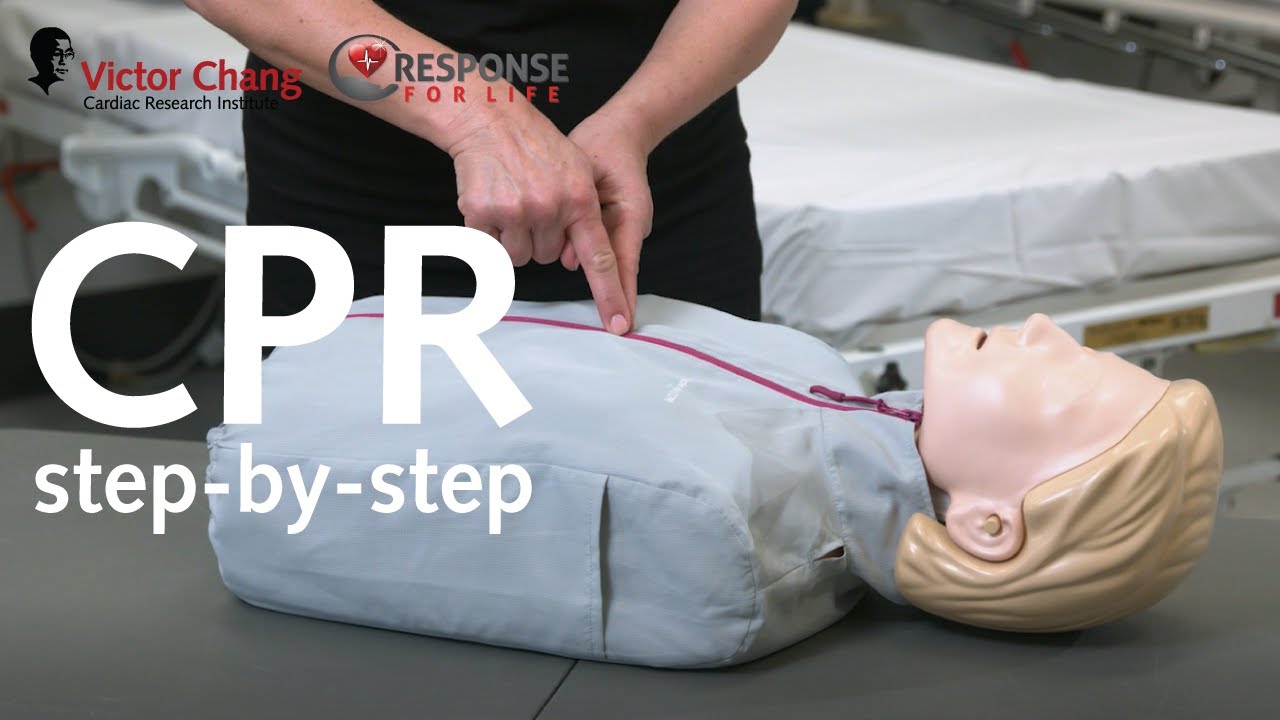
- Checking Responsiveness: Assessing whether the individual is mindful or unconscious. Calling for Help: If less competent, calling emergency solutions immediately. Performing CPR: Carrying out breast compressions and rescue breaths if necessary.
The Role of Advanced Life Support
Advanced Life Assistance (ALS) includes advanced treatments done by skilled clinical workers, which might consist of:
- Medications: Providing medicines like epinephrine or amiodarone throughout cardiac emergencies. Advanced Airway Administration: Utilizing intubation techniques to secure the airway. Defibrillation: Making Use Of an Automated External Defibrillator (AED) or hands-on defibrillator for heart rhythm disturbances.
When Needs to You Call for Advanced Life Support?
Identifying Medical Emergencies
Recognizing when to escalate from BLS to ALS can be tough. Below are some circumstances:
Cardiac Apprehension: If the person isn't breathing and doesn't have a pulse after launching BLS. Severe Trauma: In situations of significant injury where instant advanced treatment is necessary. Respiratory Distress: If a person exhibits indicators of choking or serious difficulty taking a breath after BLS measures.Understanding Hospital Codes and Protocols
Hospitals operate under details codes relating to emergency situations, such as Code Blue for cardiac arrest. Knowing these can lead when ALS should be activated.
Key Techniques in BLS
Checking Casualty's Breathing
One crucial step in BLS is looking for breathing:
- Place your ear near their mouth while seeing their chest rise. Look for indications like uncommon breathing patterns or gasping.
Taking Switches on Compressions
If multiple responders are present:
- Alternate every 2 minutes to stop fatigue. Ensure consistency in compression deepness-- at the very least 2 inches deep at a rate of 100 to 120 compressions per minute.
ALS Treatments Explained
Lower Compression Depth vs Greater Compression Depth
While BLS concentrates on basic methods, ALS might entail much more extensive approaches that can alter compression depth based on patient needs.
Slow Compression Rate: A Common Mistake?
During high-stress circumstances, -responders may reduce their CPR certification training Darwin compression price. Preserving calmness is essential; staying on par with a steady rate makes certain maximum blood flow.

Public Defibrillator Usage: A Video Game Changer
How Public AEDs Work
Automated Outside Defibrillators are developed for usage by laypersons:
Turn it on. Follow visual/audio prompts. Apply pads as indicated on the device.Empowering Communities with AED Training
Communities that invest in public defibrillator training see better survival prices throughout heart occasions due to quicker response times.
BLS Qualification: Why It Matters?
Importance of Routine Training Classes
BLS certification courses provide hands-on experience in vital methods:

- Ensure you recognize with examining responsiveness and identifying no breathing effectively. Refresh abilities every couple of years as standards alter frequently.
Certification Bodies and Their Standards
Organizations like the American Heart Organization (AHA) set requirements that ensure all certified people are furnished with up-to-date knowledge and skills.
BLS vs ALS: Educating Differences
Curriculum Overview
|Training Kind|Period|Secret Skills Covered|| ---------------|----------|--------------------|| BLS|4 hours|CPR, AED usage|| ALS|Varies|Medication methods, advanced respiratory tract monitoring|
Practical Implications
Knowing just how each sort of training affects real-world application can assist -responders choose sensibly in between BLS or waiting for ALS intervention.
Scenarios That Call for Immediate Action
Real-Life Situation Studies
A middle-aged male falls down during a marathon-- what must onlookers do? A kid experiences a bronchial asthma attack in your home-- when do you ask for help?Each circumstance highlights how comprehending BLS vs ALS can help decision-making under pressure.
FAQ Section
What's the main difference in between BLS and ALS?- The primary distinction depends on training degrees; BLS consists of basic treatments while ALS includes sophisticated procedures carried out by medical professionals.
- If you locate someone unresponsive and not breathing, begin CPR quickly till assistance arrives.
- Yes! Public access AEDs are created for laypersons; training helps make certain proper use but isn't mandatory.
- It's suggested to restore every 2 years as standards may develop over time.
- Absolutely! Remaining tranquil makes certain effective communication and appropriate strategy implementation throughout crises.
- Hospitals follow specific codes like Code Blue which turns on immediate innovative assistance groups upon recognition of a cardiac event.
Conclusion
Navigating through life's unforeseen emergencies needs understanding, quick reasoning, and often a bit of guts-- comprehending BLS vs ALS offers you both clearness and self-confidence in assessing circumstances precisely. Whether you're a layperson intending to help or a health care expert brushing up on skills, knowing when to call for innovative life support makes certain that every second counts towards conserving lives efficiently. As we continue boosting our emergency response systems via education and community awareness, we promote our collective obligation in the direction of health and wellness security-- because together, we can make a difference!
This comprehensive guide has actually furnished you with understandings right into distinguishing between Basic Life Support and Advanced Life Assistance while highlighting their particular duties throughout emergencies-- because every heartbeat matters!
First Aid Pro | First Aid Course Darwin (RTO 31124) is one of Australia’s leading providers of accredited First Aid and CPR training. We specialise in Basic Life Support, CPR & First Aid, Emergency Response, AED, and many other accredited courses. Our training is both convenient and comprehensive, combining online and face-to-face learning options to suit your needs. Keep your first aid certificates up to date with same-day certification upon completion. Plus, find a lower price, and we’ll instantly beat it by 10%! Conveniently located at Double Tree Hilton, Level 5/116 Esplanade, Darwin City, NT 800. Visit our website for course dates, directions and parking details.
First Aid Pro | First Aid Course Darwin (RTO 31124) is one of Australia’s leading providers of nationally accredited First Aid and CPR training. We deliver a wide range of courses, including Basic Life Support, CPR & First Aid, Emergency Response, AED training, and more. Our courses are designed to be flexible and comprehensive, offering both online and face-to-face learning options to suit your needs. You’ll receive same-day certification upon successful completion, and with our Price Beat Guarantee, if you find a lower price, we’ll beat it by 10%! Our Darwin training venue is conveniently located at DoubleTree by Hilton, Level 5, 116 Esplanade, Darwin City, NT 0800. Visit our website to check upcoming course dates, directions, and parking details, and book your spot today.